Reading and Setting Your Watch
As you embark on your journey into the world of wristwatches, understanding the intricacies of your timepiece elevates your experience. From mastering the art of reading a watch to choosing between mechanical and quartz, each decision shapes your horological journey. Ready to unlock the secrets of watch ownership?
What You Will Learn
- The essential components and functions of a watch, enhancing your appreciation of its craftsmanship.
- The differences between mechanical and quartz watches, helping you choose a style that fits your lifestyle.
- A comparison of analog and digital watches, guiding you to select a timepiece that resonates with your personal taste.
- Effective practices for setting, reading, and maintaining your watch to ensure longevity and enjoyment.
- Ways to engage with the watch community, providing insights and connections to further enrich your horological knowledge.
Watch Types: A Side-by-Side Comparison
Delve into the core distinctions between various watch types to help you make an informed choice.
Mechanical vs. Quartz
Mechanical Watches
- ✓ Intricate movements
- ✓ Often require winding
- ✓ Appeals to enthusiasts
Quartz Watches
- ✓ Battery powered
- ✓ High accuracy
- ✓ Low maintenance
Analog vs. Digital
Analog Watches
- ✓ Traditional hands
- ✓ Classic and stylish
- ✓ Timeless elegance
Digital Watches
- ✓ Numerical display
- ✓ Alarms, backlighting
- ✓ Fitness tracking
Understanding Your Watch: The Basics for First-Time Owners
As a first-time watch owner, understanding your timepiece is crucial. A watch is not just a tool for telling time; it's a reflection of your personal style and an investment in craftsmanship. At Wrist Watches for Men, we believe that every man should feel confident with his watch, and that starts with the basics.
Learning to read a watch and knowing its functionality can significantly enhance your experience. Whether you’re wearing a luxury piece or a more affordable model, each watch tells a story, and it's up to you to understand it!
The Importance of Learning to Read a Watch
Reading a watch might seem straightforward, but it comes with nuances that every new owner should grasp. Understanding how to interpret the hands, markers, and any additional features is essential for making the most of your timepiece.
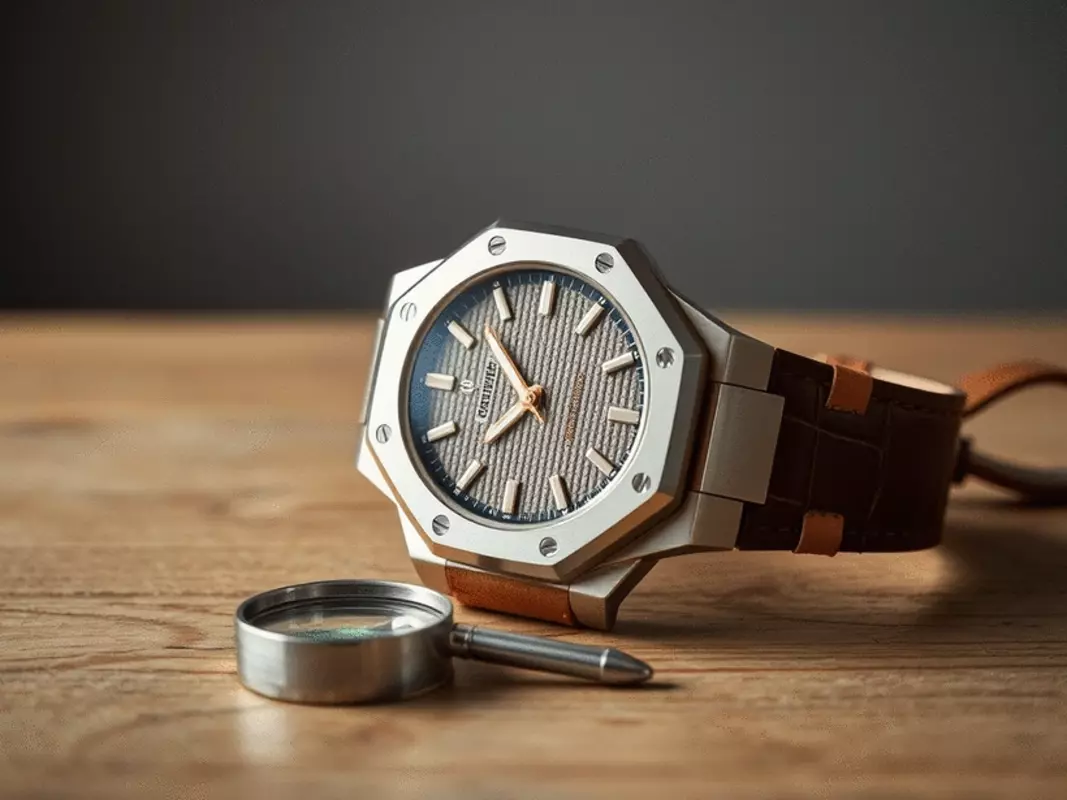
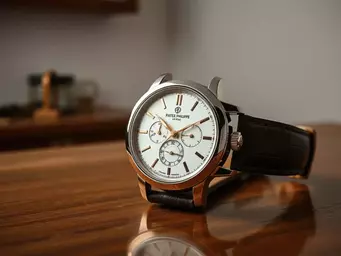
- Familiarize yourself with the basic parts of a watch: the dial, hands, crown, and case.
- Practice reading the hour, minute, and second hands in various lighting conditions.
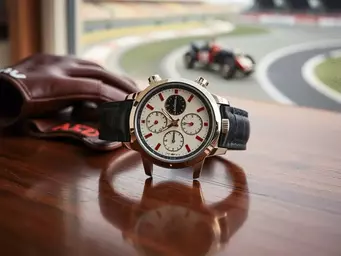
- Learn about the complications that may be present, such as date or chronograph functions.
Taking the time to master these elements will help you appreciate the artistry behind your watch. Plus, you'll impress your friends with your horological knowledge!
Types of Watches: Mechanical vs. Quartz
When diving into the world of watches, you'll encounter two primary types: mechanical and quartz. Each has its unique characteristics that cater to different preferences.
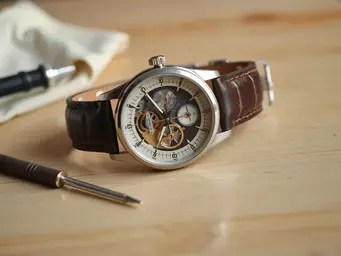
- Mechanical Watches: These are powered by intricate movements and often require winding. They appeal to enthusiasts due to their craftsmanship.
- Quartz Watches: These watches use a battery to power a quartz crystal. They're known for their accuracy and low maintenance needs, making them great for everyday wear.
As a passionate horologist, I appreciate both types for their distinct qualities. Choosing between them often boils down to personal preference and lifestyle considerations.
Analog vs. Digital Watches: Key Differences Explained
Another choice you'll face is between analog and digital watches. Both styles offer unique advantages depending on your needs and taste. Here’s a brief comparison to guide your decision:
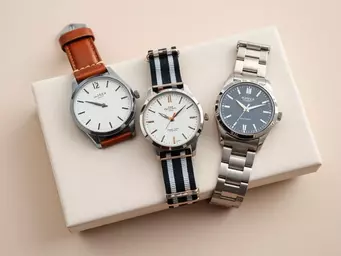
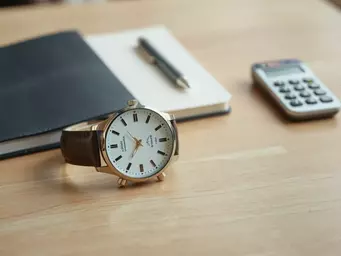
- Analog Watches: These feature traditional hour and minute hands and are often viewed as more classic and stylish.
- Digital Watches: These display time in numerical form, often including additional features like alarms, backlighting, and fitness tracking.
Whether you lean towards the timeless elegance of an analog watch or the modern convenience of a digital timepiece, it’s essential to choose one that fits your personal style. What does your wrist say about you?
We Want to Hear From You!
As you embark on your watch journey, what features do you value the most in a timepiece? Is it the craftsmanship, the brand heritage, or perhaps the functionality? Share your thoughts below:
FAQs for First-Time Watch Owners
Here are some frequently asked questions to help new watch owners navigate the world of horology:
- How do I set the time and date on my watch?
- Most watches have a crown on the side that can be pulled out to different positions. The first position usually sets the date, and the second position sets the time. Always refer to your watch's specific manual for precise instructions.
- What's the difference between mechanical and quartz watches?
- Mechanical watches are powered by intricate springs and gears and often require manual winding or automatic movement from wrist motion. Quartz watches are battery-powered and use a vibrating quartz crystal for accuracy, requiring less maintenance. For an in-depth understanding of how these watches maintain precise time, you might be interested in learning about atomic clocks and their role in timekeeping standards.
- How do I know what time zone my watch is set to?
- If your watch has a GMT or world time function, it will typically show multiple time zones. For standard watches, you set it to your local time zone. You can find more information about time zones in the USA or learn how to set world time on various watches.
- How often should I service my mechanical watch?
- Mechanical watches usually require servicing every 3 to 5 years to ensure optimal performance and longevity. This involves cleaning, lubricating, and checking the movement.
- What are watch complications?
- Watch complications are any functions a watch performs beyond telling basic hours, minutes, and seconds. Common complications include date displays, chronographs (stopwatches), moon phase indicators, and perpetual calendars.
Summary of Key Takeaways for New Watch Owners
As we wrap up this guide, it's essential to remember a few key takeaways that will help you navigate the world of wristwatches with confidence. First, understanding how to set your watch accurately is crucial for both functionality and style. Whether you own a luxury timepiece or a more affordable option, knowing the ins and outs of your watch ensures you can make the most of its features.
Additionally, reading and interpreting your watch’s dial can be a rewarding experience. Each watch has a story to tell, and being able to understand those stories enhances your appreciation of horology. Have you ever looked at your watch and wondered what each hand means? Now you’ll know!
Final Thoughts on Setting and Reading Your Watch
Setting and reading your watch is more than just a practical skill—it's part of the joy of being a watch owner! Remember, practice makes perfect. The more you interact with your timepiece, the more comfortable you’ll become. Take your time (pun intended!) to familiarize yourself with its features and functions.
- Practice setting the time and date regularly.
- Familiarize yourself with the watch hands and sub-dials.
- Engage with your watch community for shared tips and experiences.
By keeping these points in mind, you’ll not only enhance your watch ownership experience but also develop a deeper connection with the craftsmanship behind each piece. So, what will you explore next in your horological journey?
Next Steps: Engaging with the Watch Community
Now that you have the foundational knowledge of watch ownership, it’s time to take your love for horology to the next level! Engaging with the watch community can provide you with invaluable insights and connections, enriching your experience even further.
FAQs to Enhance Your Watch Knowledge
One of the best ways to learn is by asking questions. FAQs often cover common concerns and curiosities that new owners face. This could range from maintenance tips to understanding watch movements. Don’t hesitate to dive into these discussions as they can be quite enlightening!
- What’s the best way to clean my watch?
- How do I know if my watch needs servicing?
- What are the benefits of mechanical vs. quartz watches?
These questions are just a starting point. Engaging with others will expose you to a wealth of knowledge that can help you make informed decisions about your wristwatch.
Resources for Further Learning and Assistance
To continuously enhance your watch knowledge, consider exploring various resources that cater to both enthusiasts and newcomers. Here are some suggestions for reliable sources:
- Watch blogs and websites like Wrist Watches for Men for reviews and comparisons.
- YouTube channels dedicated to watch reviews and tutorials.
- Books on horology for a deeper understanding of watch history and craftsmanship.
These resources will provide you with valuable content that can enrich your appreciation and knowledge of wristwatches.
Joining Watch Forums: Networking with Other Watch Enthusiasts
Don’t underestimate the power of community! Joining watch forums allows you to connect with other enthusiasts who share your passion. These platforms are great for sharing experiences, discovering new trends, and getting advice from seasoned collectors.
- Participate in discussions about your favorite watch brands.
- Seek advice on watch maintenance from experienced members.
- Share your personal journey and learn from others.
Whether you’re a seasoned collector or a first-time owner, the watch community welcomes you with open arms!
Finding Reliable Watch Reviews and Brand Comparisons
As you continue your watch journey, finding trustworthy reviews and brand comparisons is essential. Websites like Wrist Watches for Men can guide you through various options, ensuring you make informed choices.
- Look for detailed reviews highlighting craftsmanship, features, and user experiences.
- Compare brands to understand the unique qualities each offers.
- Utilize comparison charts to visualize differences between models.
With the right information, you’ll be well-equipped to select watches that resonate with your style and preferences. So, what will be your next watch discovery? Happy exploring!
Recap of Key Points
Here is a quick recap of the important points discussed in the article:
- Understand the basic components of your watch, including the dial, hands, crown, and case.
- Differentiate between mechanical and quartz watches, and choose based on your lifestyle preferences.
- Recognize the advantages of analog versus digital watches to find the right style for you.
- Practice setting the time and date, as well as reading your watch's complications, to enhance your experience.
- Engage with the watch community for shared tips, experiences, and further learning opportunities.