Authenticating Luxury Watches Simplified
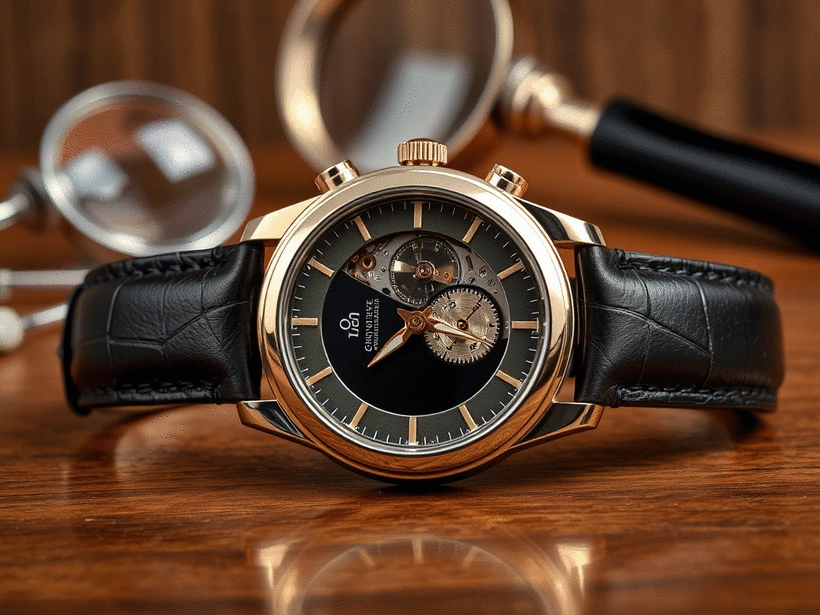
What does owning a luxury watch truly signify? Beyond mere aesthetics, it embodies craftsmanship, history, and investment potential. This guide will illuminate the crucial aspects of luxury watch authentication, empowering you to make informed purchasing decisions.
What You Will Learn
- Authenticity in luxury watches enhances financial value, as genuine pieces often appreciate over time.
- Key brands like Rolex, Omega, and Patek Philippe are most susceptible to counterfeiting; knowing this helps in making smarter purchases.
- Visual inspections, including checking logos and engravings, are crucial first steps in identifying fakes.
- Verifying a watch's movement and serial number can safeguard your investment against counterfeits.
- Documentation, such as warranty cards and certificates of authenticity, plays a vital role in confirming a watch's legitimacy.
Luxury Watch Authentication Process Overview
Understand the critical steps to verify the authenticity of a luxury watch, protecting your investment from counterfeits.
1. Visual Inspection
Examine logos, engravings, and overall craftsmanship. Look for precision and quality; fakes often have rough edges or misalignments.
2. Movement Verification
Inspect the internal mechanics. Check jewel count, finishing techniques (e.g., Geneva stripes), and unique model features.
3. Serial Number Verification
Locate the serial number (lugs/caseback) and cross-reference it with the manufacturer's database or authorized dealers.
4. Documentation Checks
Verify warranty cards, original receipts, and certificates of authenticity. Ensure all details match the watch and seller.
Understanding Luxury Watch Authentication and Counterfeit Risks
When it comes to luxury watches, authenticity is everything. Owning a genuine timepiece is not just about possessing a beautiful accessory; it’s a financial investment and a testament to the brand's integrity. Luxury watches often appreciate in value over time, so ensuring you have an authentic piece can make a significant difference when it comes time to sell or trade in. Plus, wearing a genuine watch reflects your appreciation for craftsmanship and quality, something that resonates deeply with enthusiasts like myself.
Have you ever thought about what it means to invest in authenticity? It’s not just about having a watch; it’s about owning a piece of history, a symbol of dedication and precision. As I share insights on Wrist Watches for Men, I hope you gain a deeper understanding of why owning a genuine luxury watch matters.
Why Authenticity Matters in Luxury Watches
Authenticity in luxury watches is paramount for several reasons:
- Financial Value: Genuine watches often appreciate, offering a solid return on investment.
- Craftsmanship: Authentic pieces reflect the artistry and engineering that go into each watch.
- Brand Integrity: Owning a genuine watch supports the brands that invest in innovation and quality.
Moreover, possessing an authentic watch fosters a sense of pride. It’s not just a piece of jewelry; it’s a reflection of your style and values.
The Prevalence of Counterfeit Luxury Watches
Unfortunately, the market is flooded with counterfeit luxury watches, making it essential for consumers to be vigilant. The rise of e-commerce has made it easier for counterfeiters to reach potential buyers. Today, these fakes can be remarkably convincing, leading many unwary enthusiasts to make costly mistakes. For a broader understanding of the issue, you can read about the impact of counterfeit watches on Wikipedia. Additionally, the threat of luxury goods counterfeiting extends beyond watches, as highlighted by Harvard Medical School, affecting various industries and consumer well-being.
As you explore the world of luxury timepieces, it's crucial to stay informed about the risks associated with purchasing watches online. Counterfeit watches not only diminish the integrity of the brand but can also lead to lost investments and dissatisfaction.
Key Watch Brands at Risk of Counterfeiting
Some luxury watch brands are particularly susceptible to counterfeiting, including:
- Rolex
- Omega
- Patek Philippe
- Audemars Piguet
- Breitling
These brands are often targeted due to their high demand and significant resale value. Understanding which brands are at risk can help you make more informed decisions when adding to your collection. Further insights into the challenges posed by counterfeiting in the luxury market can be found in this report on counterfeit luxury goods.
Step-by-Step Guide to Authenticate Luxury Watches
Visual Inspection Techniques for Spotting Fakes
Visual inspection is your first line of defense against counterfeits. Pay close attention to:
- Logos: Genuine watches feature precise logos that are well-aligned.
- Engravings: Look for clean, clear engravings—fakes often have rough edges.
- Craftsmanship Quality: Check the overall finish and detail; high-quality materials are a hallmark of authenticity.
Each detail matters! A trained eye can easily spot inconsistencies that might go unnoticed at first glance.
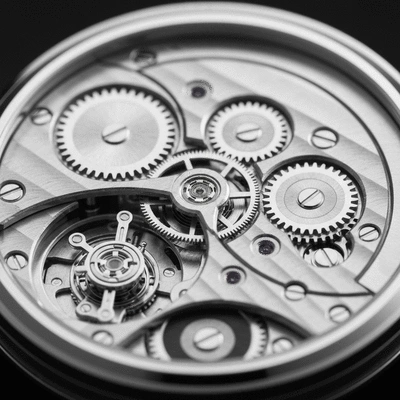
Movement Verification: Understanding the Mechanics
To authenticate a watch thoroughly, examining the movement is crucial. This involves:
- Opening the caseback to inspect the movement.
- Checking the jewel count; many luxury watches have a specific count that indicates quality.
- Looking for unique features that are characteristic of genuine models.
By understanding how the mechanics should appear, you can safeguard your investment against fakes.
Serial Number Verification: Cross-Referencing for Authenticity
Locating and verifying the serial number is another critical step in the authentication process. Here's how you can do it:
- Find the serial number, often located between the lugs of the watch.
- Cross-reference it with the manufacturer’s database.
- Look for any discrepancies that might indicate a counterfeit.
Ensuring the serial number matches is essential in confirming authenticity.
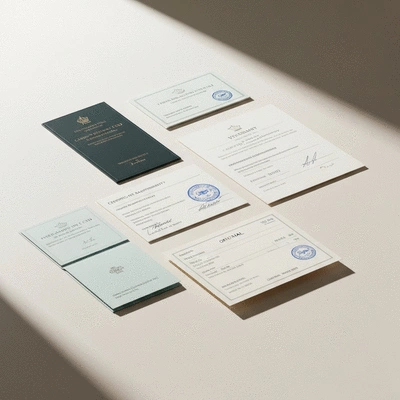
Documentation Checks: Scrutinizing Warranty Cards and Papers
Documentation plays a vital role in establishing a watch’s authenticity. Always check for:
- Warranty cards with matching serial numbers.
- Receipts that indicate the purchase date and authorized dealer.
- Certificates of authenticity provided by the brand.
Having these documents can significantly enhance your confidence in the watch’s legitimacy.
Pro Tip
When authenticating luxury watches, consider consulting with an expert or seeking a professional appraisal. Their trained eye can spot subtle details that may elude even the most careful enthusiast. Additionally, always purchase from reputable sources to ensure you’re investing in genuine craftsmanship.
Step-by-Step Guide to Authenticate Luxury Watches
Authenticating a luxury watch is crucial for protecting your investment and ensuring you're getting the craftsmanship you deserve. With the rise in counterfeit luxury watches, knowing how to verify authenticity can save you from a costly mistake. I’ve compiled a straightforward step-by-step guide to help you navigate this important process.
From visual inspections to checking serial numbers, these methods will empower you to make informed decisions. Let’s dive into the details!
Visual Inspection Techniques for Spotting Fakes
One of the first steps in authenticating a luxury watch is performing a visual inspection. Here are some key indicators to look for:
- Logos and Markings: Ensure that the brand logo is correctly placed and properly detailed. Counterfeit watches often have misplaced or poorly engraved logos.
- Engravings: Genuine watches usually feature precise engravings that should feel smooth to the touch. Check for rough edges or inconsistencies.
- Craftsmanship Quality: Examine the overall finish of the watch. Authentic luxury timepieces exhibit meticulous craftsmanship that counterfeiters often struggle to replicate.
By focusing on these visual cues, you can quickly determine whether a watch is genuine or a fake. I always recommend taking the time to carefully inspect these features before making a purchase.
Movement Verification: Understanding the Mechanics
Another important aspect of authentication is examining the watch's movement. Here’s how to do it:
- Open the Caseback: If you're comfortable, carefully open the caseback to access the movement.
- Jewel Count: Count the jewels in the movement—most luxury watches have a specific number that you can verify online.
- Finishing Details: Look for high-quality finishing techniques, such as perlage or Geneva stripes, which are common in authentic pieces.
Understanding the mechanics behind a luxury watch can be an enlightening experience! It’s a chance to appreciate the engineering that goes into these timepieces.
Serial Number Verification: Cross-Referencing for Authenticity
Locating and verifying the serial number is a vital step in the authentication process. Here’s what you should do:
- Find the Serial Number: Most luxury watches have a serial number located between the lugs or on the caseback.
- Check Manufacturer Databases: Use the serial number to verify against the manufacturer's database or contact an authorized dealer.
- Look for Inconsistencies: Ensure that the serial number matches the watch model. Any discrepancies could indicate a counterfeit.
I always emphasize the importance of this step—verifying the serial number can provide peace of mind and significantly reduce the risk of buying a fake.
Documentation Checks: Scrutinizing Warranty Cards and Papers
Finally, let’s not forget about the documentation that accompanies luxury watches. Here’s what to check:
- Warranty Cards: Verify that the warranty card is filled out correctly, with the original purchase date and owner's name.
- Receipts: Original receipts should match the seller's credibility. Be wary of vague or missing information.
- Certificates of Authenticity: Ensure these documents are legitimate and include the watch's specifications.
Proper documentation plays a critical role in authentication. I encourage you to always ask for and scrutinize these important papers when considering a purchase!
Frequently Asked Questions About Luxury Watch Authentication
Below are some common questions regarding luxury watch authentication to help clarify key aspects discussed in this guide.
- What is the primary significance of owning an authentic luxury watch?
- Beyond aesthetics, an authentic luxury watch embodies craftsmanship, history, and often has significant investment potential, appreciating in value over time.
- Which luxury watch brands are most commonly counterfeited?
- Rolex, Omega, Patek Philippe, Audemars Piguet, and Breitling are among the brands most frequently targeted by counterfeiters due to their high demand and resale value.
- What are the initial steps for a visual inspection to identify a fake watch?
- Visual inspection includes meticulously examining logos, engravings, and overall craftsmanship. Authentic pieces exhibit precision and quality, while fakes often show rough edges or misalignments.
- Why is movement verification important, and what should I look for?
- Movement verification is crucial because it involves inspecting the internal mechanics. You should check the jewel count, finishing techniques (like Geneva stripes), and unique features specific to genuine models to ensure authenticity.
- How does serial number verification help in authenticating a luxury watch?
- Locating the serial number (typically between the lugs or on the caseback) and cross-referencing it with the manufacturer's database or an authorized dealer is vital. Any discrepancies can indicate a counterfeit.
- What role do documentation checks play in confirming a watch's legitimacy?
- Documentation, such as warranty cards, original receipts, and certificates of authenticity, provides critical proof. Ensure all details on these documents match the watch and the seller to confirm legitimacy.
Recap of Key Points
Here is a quick recap of the important points discussed in the article:
- Importance of Authenticity: Owning a genuine luxury watch reflects craftsmanship, brand integrity, and can appreciate in value.
- Counterfeit Risks: The market is rife with counterfeit watches, making it essential for consumers to be vigilant during purchases.
- Visual Inspection Techniques: Pay attention to logos, engravings, and overall craftsmanship to spot potential fakes.
- Movement Verification: Inspect the watch's movement and jewel count to ensure authenticity.
- Serial Number Checks: Verify the serial number against manufacturer databases to confirm legitimacy.
- Documentation Scrutiny: Always check warranty cards, receipts, and certificates of authenticity when purchasing a luxury watch.