Understanding Mechanical Watch Mechanics
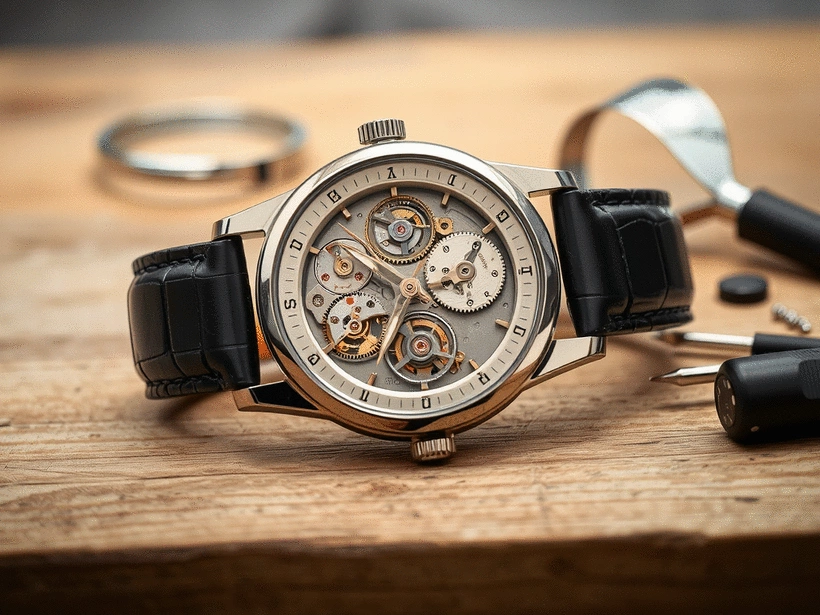
What if your wristwatch could tell a story beyond just telling time? Understanding mechanical watches opens a door to a world rich in craftsmanship, history, and artistry.
What You Will Learn
- Mechanical watches operate through intricate gears and springs, embodying traditional craftsmanship.
- The charm of mechanical watches lies in their manual winding mechanism, offering a deeper connection to timekeeping.
- Understanding the differences between mechanical, quartz, and automatic watches enhances your appreciation for horology.
- Vintage mechanical watches carry historical significance and unique designs that attract collectors and enthusiasts alike.
- Key components like the mainspring and escapement are vital for the function and precision of mechanical watches.
- Knowing how your watch works informs better care, maintenance practices, and purchasing decisions.
The Intricate World of Mechanical Watches
Delve into the fascinating differences and components that set mechanical watches apart from their quartz and automatic counterparts.
Watch Type Distinction
Mechanical: Mainspring powered, requires periodic winding.
Quartz: Battery-operated, high accuracy, low maintenance.
Automatic: Self-winds with movement (subset of mechanical).
Key Mechanical Components
- coiled-spring
Mainspring: Stores energy.
- lever
Escapement: Regulates energy release.
- balance-scale
Balance Wheel: Ensures accuracy.
- gears
Gear Train: Transmits power.
Understanding Mechanical Watches: What Sets Them Apart?
As a passionate horologist, I can tell you that understanding mechanical watches is essential for any watch enthusiast. These timepieces are not just tools for telling time; they embody the artistry and craftsmanship of watchmaking. Every mechanical watch represents a blend of intricate engineering and timeless design, making them a fascinating subject to explore!
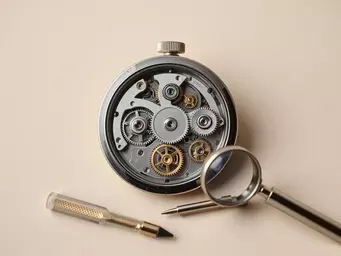
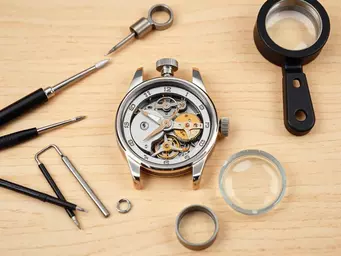
What makes mechanical watches so special is their traditional craftsmanship. Unlike their battery-operated counterparts, mechanical watches operate through a complex system of gears and springs. This intricate mechanism, often referred to as a mechanical movement, not only tells time but also tells a story—a story of dedication and skill that goes back centuries.
Defining a Mechanical Watch and Its Charm
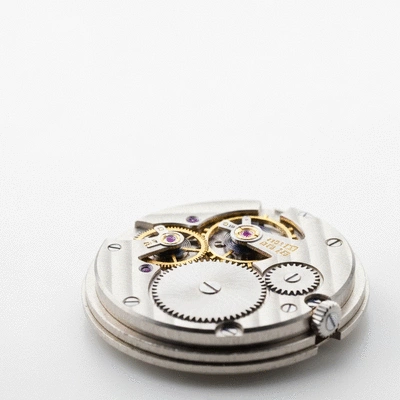
A mechanical watch is defined by its use of a winding mechanism to store energy. When you wind the watch, it tightens a mainspring that gradually releases energy, powering the watch's movement. This charm lies in the fact that each tick is a reminder of the intricate engineering behind the scenes! Many collectors, including myself, appreciate the connection to tradition and the skill involved in creating these masterpieces. For a deeper dive into the mechanisms, the Britannica article on mechanical watches provides excellent insights into their historical and technological development.
- Craftsmanship: Each watch is a work of art, often handcrafted.
- Longevity: With proper care, these watches can last for generations.
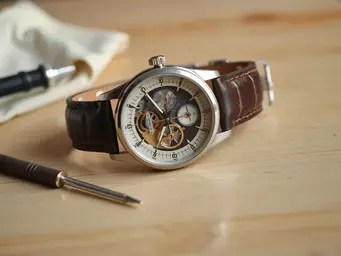
- Mechanical Motion: The visible movement of gears is a sight to behold!
Owning a mechanical watch isn’t just about functionality; it’s about celebrating the art of horology. The intricate mechanics and the history behind each piece create a bond between the wearer and the watch.
Exploring the Distinction Between Mechanical, Quartz, and Automatic Watches
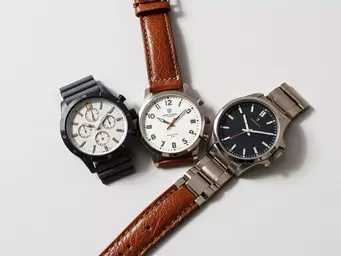
Understanding the difference between mechanical, quartz, and automatic watches is key to appreciating the nuances of horology. While quartz watches rely on battery power and are known for their precision, mechanical watches require manual winding or a natural motion to function. Automatic watches, a subset of mechanical watches, wind themselves as you move, combining convenience with the charm of traditional timekeeping. The Swiss Mechanical website offers further technical details on how these movements compare.
- Mechanical Watches: Powered by a mainspring and require periodic winding.
- Quartz Watches: Battery-operated with high accuracy and low maintenance.
- Automatic Watches: A type of mechanical watch that winds itself through movement.
This distinction is not merely technical; it reflects the passion and philosophy behind watchmaking. Mechanical watches celebrate the art of timekeeping, while quartz watches represent the advancement of technology in the world of horology.
The Allure of Vintage Mechanical Watches and Their Impact on Horology
There’s something undeniably special about vintage mechanical watches. They carry with them a sense of history and nostalgia that modern pieces often lack. Collectors and enthusiasts, like myself, find joy in owning a piece of history, where each watch tells a story of its time. Vintage watches often showcase unique designs and craftsmanship that can be hard to find in contemporary models.
- Heritage: Vintage watches are often tied to significant moments in history.
- Unique Design: They feature distinctive designs that reflect the era they were made in.
- Investment Value: Many vintage pieces appreciate in value over time.
As we dive deeper into the world of horology, appreciating vintage mechanical watches allows us to honor the past while continuing to celebrate the innovation and artistry that defines watchmaking today.
Key Components of a Mechanical Watch: The Building Blocks
To truly appreciate a mechanical watch, it’s essential to understand its key components. Each part plays a vital role in the function and accuracy of the timepiece. Let’s break down these building blocks and see how they work together harmoniously!
- Mainspring
- Escapement
- Balance Wheel
- Gear Train
These elements not only work to tell time but also showcase the ingenuity of horology. Each component is meticulously crafted to ensure precision and reliability, allowing mechanical watches to stand the test of time.
Pro Tip
Did you know? Regularly winding your mechanical watch, even if you don't wear it daily, is crucial for maintaining its accuracy and longevity. This simple practice helps keep the lubricants inside the movement evenly distributed, ensuring optimal performance over time.
Summing Up: The Allure of Mechanical Watches
As we wrap up this exploration of mechanical watches, it’s clear that understanding how your watch works not only deepens your appreciation for the craftsmanship but also enhances your overall horological experience. Each mechanical timepiece is a small marvel of engineering, showcasing the passion and precision of skilled watchmakers. When you know what makes your watch tick, you can truly appreciate its artistry and reliability.

The intricate inner workings of mechanical watches are not just fascinating but also serve as a reminder of the enduring elegance in a world increasingly dominated by digital devices. If you’ve ever wondered about the charm of winding a watch each morning, or the satisfaction of knowing you own a piece of history, you’re already on the right path to becoming a true watch enthusiast!
The Value of Understanding How Your Watch Works
Knowing the fundamentals of your mechanical watch can significantly impact your choices when purchasing or maintaining a timepiece. Here are a few compelling reasons to dive deeper into horology:
- Enhances Appreciation: Understanding the mechanics allows you to appreciate the artistry behind each watch.
- Improves Care: Proper knowledge leads to better maintenance practices, extending the life of your watch.
- Informed Decisions: Knowing the differences between models helps you choose one that fits your style and needs.
- Connect with Community: Engaging in discussions with other enthusiasts is more rewarding when you can share insights and experiences.
At Wrist Watches for Men, we believe that every man deserves to embrace the world of horology fully. By understanding the mechanics, you not only empower yourself but also cultivate a richer relationship with your timepiece.
Next Steps: Expanding Your Knowledge on Watch Types and Care
Now that you have a foundational understanding of mechanical watches, what’s next? Here are some steps to further enhance your horological journey:
- Explore different watch types—from dress watches to dive watches and everything in between.
- Learn about care techniques to keep your timepieces in pristine condition.
- Stay informed about new releases and trends in the watch industry.
- Engage with our articles and resources on luxury and affordable watches to find the perfect match for your style.
My passion for watches drives me to keep learning and sharing knowledge through Wrist Watches for Men. Whether you’re a seasoned collector or just starting, there’s always something new to discover!
Engaging with the Community: Your Questions Answered
Frequently Asked Questions About Mechanical Watches
As watch enthusiasts, we often have questions that help us navigate the intricate world of horology. Here are some common inquiries I encounter:
- What is a mechanical watch? A mechanical watch is a timepiece that uses a complex mechanism of gears and springs, rather than a battery, to keep time. It requires winding, either manually or automatically through movement.
- What is the main difference between mechanical, quartz, and automatic watches? Mechanical watches are powered by a mainspring and require periodic winding. Quartz watches are battery-operated and highly accurate. Automatic watches are a subset of mechanical watches that self-wind through the wearer's motion.
- How often should I wind a manual mechanical watch? Most manual mechanical watches need to be wound once every 24 to 48 hours, depending on their power reserve.
- How often should a mechanical watch be serviced? It is generally recommended to service a mechanical watch every 3 to 5 years to ensure its longevity and accuracy.
- Are vintage mechanical watches a good investment? Many vintage mechanical watches can appreciate in value due to their historical significance, unique design, and craftsmanship, making them a potential investment for collectors.
Join the Discussion: Share Your Experiences and Learn More
I invite you to join the conversation! Share your experiences with mechanical watches in the comments. Whether you’ve discovered a hidden gem or have a story about your favorite timepiece, your insights can inspire and inform fellow enthusiasts. What’s your favorite watch, and why does it hold meaning for you?
Exploring Watch Forums: Connecting with Fellow Watch Enthusiasts
One of the best ways to deepen your knowledge and passion for watches is to explore online forums dedicated to horology. Here are a few popular platforms where you can connect with fellow watch lovers:
- Watchuseek: A thriving community with discussions ranging from brands to restoration.
- Reddit’s r/Watches: A vibrant subreddit where enthusiasts share reviews, advice, and photos.
- TimeZone: A classic forum that covers all aspects of watch collecting and care.
Each of these communities offers a wealth of information and a chance to engage with others who share your passion. The more you connect and share, the richer your journey in the world of horology will be!
Recap of Key Points
Here is a quick recap of the important points discussed in the article:
- Craftsmanship: Mechanical watches are unique pieces of art, often handcrafted with intricate designs.
- Longevity: With proper care, mechanical watches can last for generations, making them a wise investment.
- Mechanical Motion: The visible movement of gears in mechanical watches provides a captivating visual experience.
- Understanding Differences: Mechanical watches differ from quartz and automatic watches, each offering its own advantages and charm.
- Vintage Allure: Vintage mechanical watches carry historical significance and unique designs that resonate with collectors.
- Key Components: Familiarity with essential parts like the mainspring and escapement enhances appreciation for their function.
- Community Engagement: Connecting with fellow watch enthusiasts enriches the journey of horology exploration.