Start Watchmaking at Home Today
Step into the captivating realm of horology—where timekeeping meets art. Have you ever considered the rich stories told by each watch on your wrist? From ancient sundials to modern smartwatches, the evolution of timepieces reflects human creativity and innovation in remarkable ways.
What You Will Learn
- Gain a deeper appreciation for the precision and craftsmanship behind timekeeping mechanisms.
- Discover various types of watches, including dress, sport, and smartwatches, each tailored to different occasions and styles.
- Learn about the historical milestones in watchmaking that have shaped the industry, from mechanical innovations to the quartz revolution.
- Understand the differences between quartz and mechanical watch movements to make informed purchasing decisions.
- Explore key considerations for starting your own watch business, from identifying your niche to effective marketing strategies.
- Uncover platforms available for selling handmade watches, enhancing your reach and customer engagement.
- Delve into the importance of thoughtful design and customization in creating unique timepieces that resonate with customers.
Watchmaking Evolution and Business Insights
Delve into the chronological advancements in horology and key considerations for a successful watch business.
Understanding Horology: The Art and Craft of Watchmaking
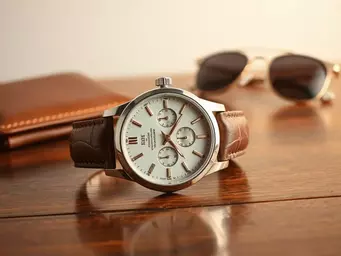
Welcome to the fascinating world of horology! As a passionate horologist myself, I find the art and craft of watchmaking to be a deeply rewarding pursuit. Horology isn't just about telling time; it's a celebration of craftsmanship and innovation that has evolved over centuries. Understanding horology allows us to appreciate the intricate details and artistry behind every timepiece we encounter.
In this section, we will explore the essence of horology, the various types of watches available, and how the history of watchmaking has shaped the timepieces we cherish today. So, let's dive into this captivating journey together!
What is Horology and Why is it Important?
At its core, horology is the study and measurement of time. It encompasses everything from the science of timekeeping to the artistry of watchmaking. For enthusiasts like us, horology represents a bridge between technology and art. It’s important because it gives us insight into how timepieces function and why they have become essential accessories in our lives.
For those interested in delving deeper into the craft, resources like the British Horological Institute offer comprehensive information and educational opportunities.
- Timekeeping Precision: Understanding horology enhances our appreciation for the precision of timekeeping mechanisms.
- Cultural Significance: Each watch tells a story, reflecting cultural values and technological advancements.
- Personal Connection: Engaging with horology can deepen our connection to the timepieces we wear and collect.
As you embark on your horological journey, remember that each watch is a testament to human innovation and creativity. It’s not just a tool; it’s a piece of art waiting to be appreciated.
Exploring the Different Types of Watches
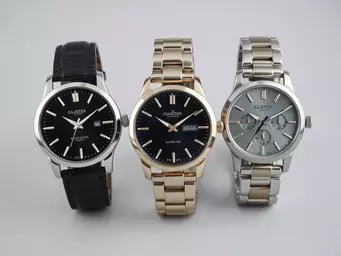
When it comes to watches, there’s a rich variety to choose from. As someone who loves both luxury and affordable timepieces, I can assure you that there’s something out there for every style and budget! Here are some popular types of watches you might want to consider:
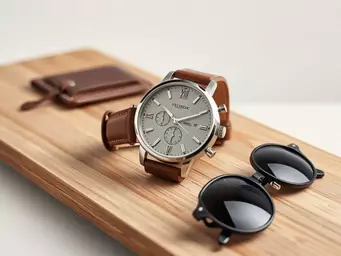
- Dress Watches: These elegant timepieces are perfect for formal occasions and complement a suit beautifully.
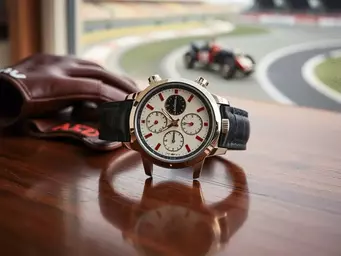
- Sport Watches: Designed for rugged use, sport watches often come with features like water resistance and durability.
- Smartwatches: Blending technology with fashion, these watches keep you connected while making a style statement.
- Dive Watches: Built for underwater adventures, dive watches have exceptional water resistance and readability.
Each type of watch serves a unique purpose and reflects different aspects of our personality. Which type resonates most with your style?
The History of Watchmaking: Evolution of Timekeeping Techniques
The journey of watchmaking is a fascinating saga of innovation and artistry. From the early sundials to the intricate mechanical watches of today, the evolution of timekeeping techniques showcases humanity's relentless pursuit of precision. Did you know that the first known mechanical clock was invented in the 13th century? It marked a significant turning point in how we perceive time!
Over the centuries, watchmaking has seen incredible advancements:
- The Invention of the Balance Wheel: Introduced in the 17th century, it dramatically improved the accuracy of watches.
- Quartz Revolution: In the 1970s, quartz technology transformed the industry, making watches more affordable and precise.
- Smartwatch Era: Today, we witness a blending of traditional watchmaking with innovative technology, creating versatile timepieces that fit modern lifestyles.
As the industry continues to evolve, it's exciting to think about what the future holds for horology and watchmaking.
Understanding Watch Movements: Quartz vs. Mechanical
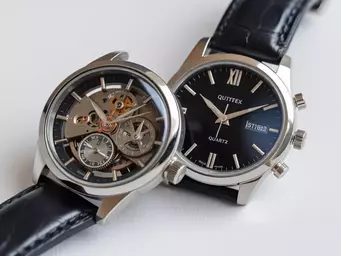
One of the crucial aspects of watches is understanding their movements. There are primarily two types of movements: quartz and mechanical. Each has its own unique characteristics and appeal.
- Quartz Movements: Powered by a battery, quartz watches are known for their accuracy and low maintenance. They are ideal for everyday wear.
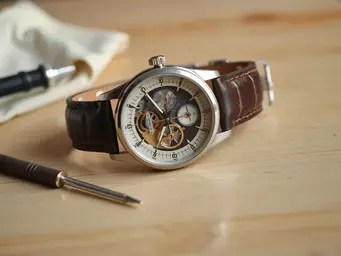
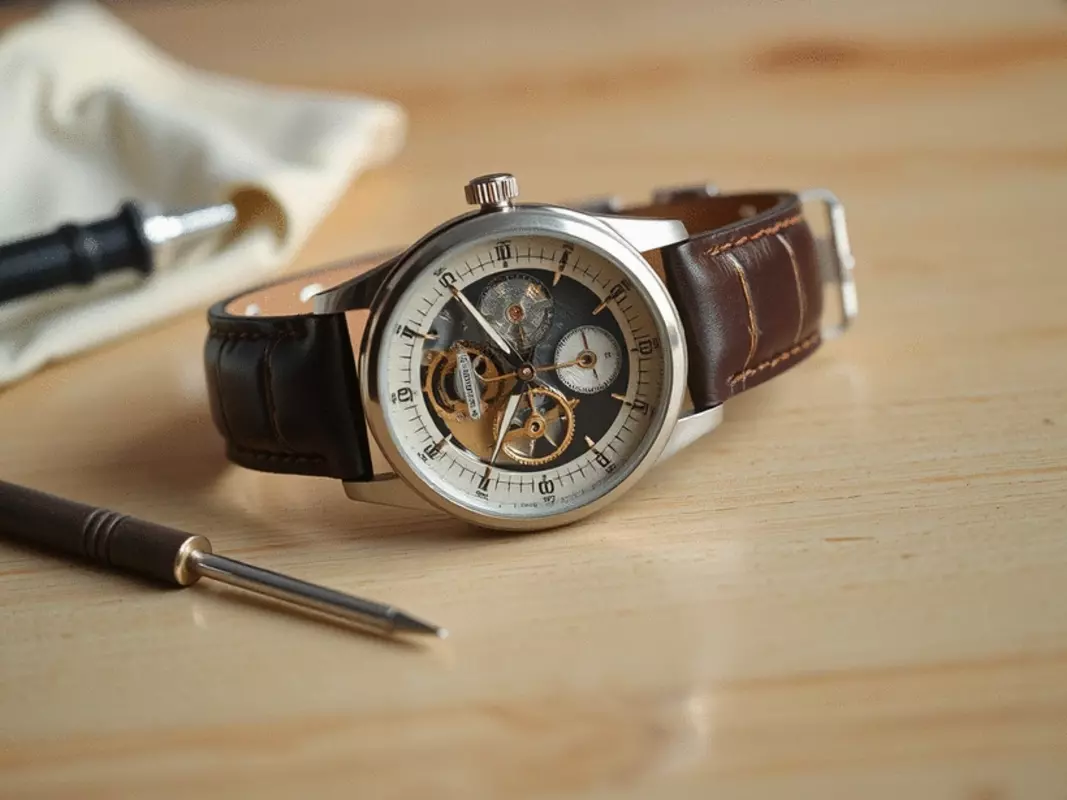
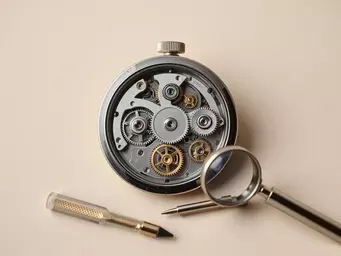
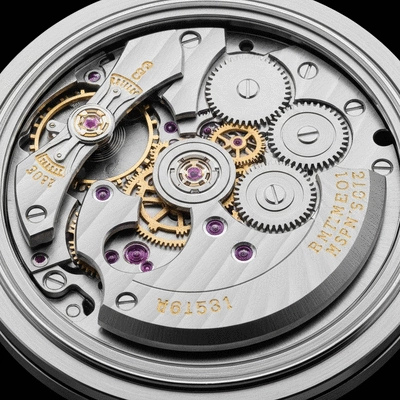
- Mechanical Movements: These intricate mechanisms are powered by a winding system, either manually or automatically. Many enthusiasts appreciate the artistry and craftsmanship behind mechanical movements.
Choosing between quartz and mechanical movements often comes down to personal preference. Do you value precision, or do you have a soft spot for traditional craftsmanship? Understanding these movements can help you make informed choices about your next watch!
Interactive Poll
As you delve deeper into the world of horology, we want to know: Which type of watch speaks to you the most? Select your favorite from the options below:
Frequently Asked Questions About Horology and Watchmaking
Turning Passion into Profit: Exploring the Watch Business
As an avid watch enthusiast and a proud owner of Wrist Watches for Men, I understand the thrill of turning a passion for horology into a profitable venture. Whether you're considering launching your own watch brand or selling handmade pieces online, there are several key considerations to keep in mind.
Starting a watch business is not just about creating beautiful timepieces but also about understanding your market and building a brand that resonates with customers. Here are some essential factors to consider:
- Identifying Your Niche: Decide whether you want to focus on luxury, affordable, or unique watches.
- Brand Development: Craft a compelling brand story that connects with your target audience.
- Quality Assurance: Ensure that the materials and craftsmanship of your watches reflect the brand quality.
- Marketing Strategies: Utilize social media, influencer partnerships, and content marketing to promote your brand.
With these considerations in mind, you can lay a solid foundation for your watch business and create a lasting impact in the horological community!
Using E-commerce Platforms to Sell Your Handmade Watches
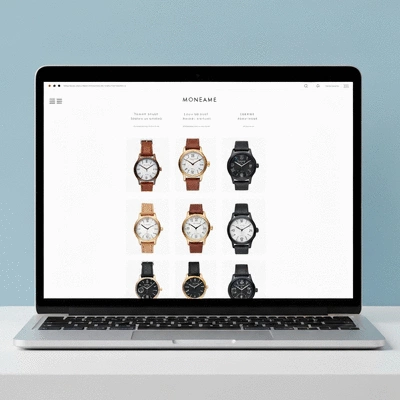
Once you have your watches ready to go, the next step is to find a platform to reach your customers. E-commerce has transformed the retail landscape, making it easier than ever for artisans to showcase their talents. Here are some popular platforms to consider:
- Shopify: An excellent choice for building your own online store with customizable options.
- Etsy: Perfect for reaching an audience that appreciates handmade and unique products.
- Amazon Handmade: Leverage the vast reach of Amazon while maintaining a focus on craftsmanship.
Each platform has its advantages, so think about where your potential customers are most likely to shop. This will help you make an informed choice and maximize your sales potential!
Understanding Watch Design and Customization for Profit
Design and customization play a crucial role in the value of wristwatches. As you dive into this aspect, consider the following elements to enhance your offerings:
- Materials Selection: Use high-quality materials suchs as stainless steel, leather, and sapphire glass.
- Unique Features: Incorporate features like custom engravings or interchangeable straps to attract customers.
- Market Trends: Stay updated on design trends and customer preferences to keep your collection relevant.
By focusing on thoughtful design and customization, you can create watches that not only appeal to customers but also stand out in a crowded marketplace. Your unique vision can turn into a profitable reality!
Recap of Key Points
Here is a quick recap of the important points discussed in the article:
- Understanding Horology: It combines the science of timekeeping with the artistry of watchmaking, enhancing our appreciation for timepieces.
- Types of Watches: From dress watches to smartwatches, each type serves a unique purpose and reflects different personal styles.
- Historical Evolution: The journey of watchmaking showcases significant innovations from mechanical clocks to modern smartwatches.
- Movements Explained: Quartz watches offer precision and low maintenance, while mechanical watches highlight craftsmanship and tradition.
- Starting a Watch Business: Focus on identifying your niche, developing your brand, ensuring quality, and utilizing effective marketing strategies.
- E-commerce Platforms: Consider platforms like Shopify, Etsy, and Amazon Handmade to effectively reach your audience.
- Design and Customization: Use quality materials and stay updated on trends to create appealing, unique timepieces for customers.