Understanding Men's Watch Anatomy
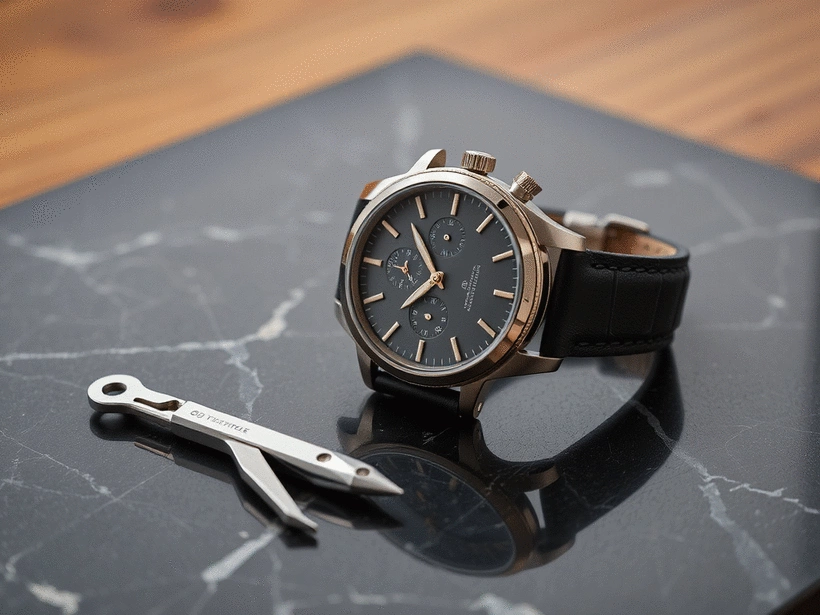
Understanding the Anatomy of a Men's Watch: Key Components Explained
Understanding the intricate world of men's watches is not just for collectors; it's for anyone looking to wear a timepiece that tells a story. Each component of a watch plays a vital role in its performance and style. Are you ready to dive deeper into the anatomy of your wristwatch?
What You Will Learn
- The essential components of a men's watch, including the case, dial, movement, and strap, and their respective functions.
- How understanding watch anatomy enhances your ability to choose a timepiece that fits your lifestyle and aesthetic.
- Practical maintenance tips to extend the lifespan of your watch, ensuring it remains a cherished accessory.
- Common misconceptions about watch anatomy that can affect ownership experience and how to avoid them.
- When to consult a watchmaker for repairs and maintenance to keep your timepiece in optimal condition.
Understanding Watch Anatomy: Essential Components
Each part of a watch contributes to its overall function and aesthetic, from protecting the movement to displaying the time.
Watch Case
The protective shell housing the movement, safeguarding it from external elements like dust and water.
Dial & Hands
The face of the watch displaying time and features, with hands indicating hours, minutes, and seconds.
Movement
The intricate mechanism, often called the "engine," that powers the watch and ensures accurate timekeeping.
Strap/Bracelet
Secures the watch to the wrist, contributing significantly to comfort and overall aesthetic appeal.
To truly appreciate the artistry of a watch, it's essential to understand its anatomy. The components of a watch work together in harmony, creating a timepiece that not only tells time but also reflects personal style. Whether you're a seasoned collector or just starting your journey, knowing the ins and outs of watch anatomy is crucial for making informed choices.
Why does this matter? Understanding how each part functions helps you appreciate the craftsmanship behind your favorite watches. For instance, a well-constructed movement can significantly impact accuracy and longevity. Let’s delve into the fascinating world of watch components!
What is Watch Anatomy and Why Does it Matter?
Watch anatomy refers to the various parts that make up a timepiece, from the case to the movement. Each component serves a specific function that contributes to the overall performance and aesthetics of the watch. Knowing these parts can help you select a watch that aligns with your lifestyle and preferences.
- Case: Protects the inner workings.
- Dial: Displays the time and adds character.
- Movement: The engine that powers the watch.
- Strap or Bracelet: Connects the watch to your wrist.
By grasping the fundamentals of watch anatomy, you can navigate through countless options with confidence. Each part plays a crucial role in ensuring that the watch not only fits your wrist but also complements your style! For a comprehensive overview of watch terminology and components, you can refer to authoritative sources such as Wikipedia's entry on watches.

Essential Parts of a Men's Watch: A Visual Breakdown
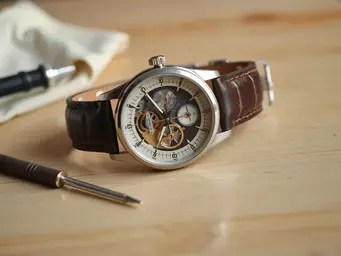
Let’s take a closer look at the essential parts that make every men's watch tick. Here's a visual breakdown of the components you should be familiar with:
- Watch Case: This is the protective shell that houses the movement.
- Dial: The face of the watch that displays the time and other features.
- Hands: These are the indicators that move to show time.
- Movement: The mechanism that powers the watch, available in various types.
- Strap or Bracelet: The part that secures the watch to your wrist.
Understanding these parts will empower you to recognize quality craftsmanship and make better purchasing decisions. At Wrist Watches for Men, we aim to guide you through this intricate world, offering insights that resonate with your style and personality!
Key Functions of Watch Components: How They Work Together
Each component of a watch has its own unique function, but they all collaborate to deliver a seamless experience. For example, the movement powers the hands, allowing them to track time accurately. Meanwhile, the case protects the movement from dust, water, and impact. This synergy between components is what makes a watch not just a tool, but a work of art.
- Movement and Case: The movement fits snugly within the case for protection.
- Dial and Hands: The hands rotate over the dial, indicating time.
- Strap and Case: The strap secures the watch on your wrist, enhancing wearability.
By recognizing how these parts function together, you can appreciate the craftsmanship involved in creating each timepiece. Whether you prefer a classic dress watch or a sporty chronograph, understanding watch anatomy will enrich your wristwatch journey. For more detailed information on watch movements, cases, and complications, Watches by SJX offers an insightful guide.
Detailed Look at Each Component of a Men's Watch
Interactive Poll: Your Watch Preferences
As we dive deeper into the world of watches, we want to know: What do you prioritize when selecting a watch? Choose one of the options below:
Frequently Asked Questions About Watch Anatomy
Here are some common questions about the anatomy of a men's watch:
- Q: What are the essential components of a men's watch?
- A: The essential components include the watch case, dial, hands, movement, and strap or bracelet. Each plays a crucial role in the watch's function and appearance.
- Q: Why is understanding watch anatomy important for choosing a timepiece?
- A: Knowing watch anatomy helps you make informed decisions, appreciate craftsmanship, and select a watch that aligns with your lifestyle, preferences, and aesthetic. It enables you to understand what you are buying.
- Q: What are some practical maintenance tips for extending a watch's lifespan?
- A: Key tips include regular cleaning with a soft cloth, servicing the movement every 3 to 5 years, proper storage in a cool, dry place, and annual testing of water resistance to ensure seals are intact.
- Q: What are common misconceptions about watch anatomy to avoid?
- A: Common misconceptions include ignoring the type of movement, overlooking the importance of a well-fitting strap, neglecting water resistance ratings, and using harsh chemicals for cleaning. Awareness of these can prevent damage.
- Q: When should I consult a watchmaker for repairs or maintenance?
- A: You should consult a watchmaker if your watch has timekeeping issues (gaining/losing time), visible damage (scratches, cracks), unusual sounds, or if you suspect its water resistance has failed. Professional intervention can prevent further damage.
Bringing It All Together: The Complete Picture of a Men's Watch
Understanding the intricacies of a men's watch is just the beginning; the real magic lies in how to maintain and appreciate each component of your timepiece. At Wrist Watches for Men, I believe that a little knowledge goes a long way in extending your watch's lifespan and enhancing your enjoyment. Let's dive into some essential maintenance tips for each component, common misconceptions about watch anatomy, and when to seek expert help!
Maintenance Tips for Each Component to Extend Your Watch's Lifespan
Proper care can significantly prolong the life of your watch. Here are some straightforward maintenance tips that I often share with fellow enthusiasts:
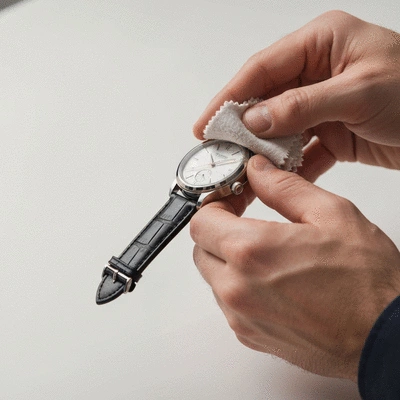
- Regular Cleaning: Keep your watch clean by using a soft cloth to wipe it down after wearing. This helps remove dirt and oil that can accumulate over time.
- Service Your Movement: Depending on the type of movement, consider servicing your watch every 3 to 5 years to keep it running smoothly.
- Store Properly: When not in use, store your watch in a cool, dry place, ideally in a watch box or pouch to protect it from scratches.
- Check Water Resistance: If your watch is water-resistant, have it tested annually to ensure that seals are intact. For more detailed insights into watch care and terminology, resources like Horology Basics: Watch Anatomy from RSA can be very helpful.
By following these tips, you can help maintain your watch’s performance and aesthetic appeal. Remember, investing time in care means enjoying your favorite timepiece for years to come!
Common Mistakes in Understanding Watch Anatomy and How to Avoid Them
As I've explored the world of watches, I've noticed some common misconceptions that can lead to mistakes in care and appreciation. Here are a few to keep in mind:
- Ignoring Movement Type: Not all movements are created equal! Understanding whether you own a quartz or an automatic watch can change how you maintain it.
- Overlooking the Strap: Many people focus solely on the watch face, but the strap or bracelet can significantly impact comfort. Always ensure it's the right fit for your wrist.
- Neglecting Water Resistance Ratings: Knowing your watch's water resistance is crucial, especially if you plan to wear it while swimming or showering.
- Using Harsh Chemicals: When cleaning your watch, avoid harsh chemicals that can damage the finish. Stick to gentle cleaning solutions to preserve its beauty.
By being aware of these common pitfalls, you can enhance your overall ownership experience and ensure your watch remains in excellent condition.
When to Consult a Watchmaker for Repairs and Maintenance
While regular maintenance is essential, there are times when it's best to leave it to the professionals. Here are some indicators that you should consult a watchmaker:
- Timekeeping Issues: If your watch starts to gain or lose time, it's a clear sign that it needs professional attention.
- Visible Damage: Any noticeable scratches, cracks, or damage to the case or crystal should prompt a visit to a skilled watchmaker.
- Unusual Sounds: If you hear grinding or unusual noises from your watch, this could indicate a problem with the movement.
- Water Resistance Failure: If you suspect your watch is no longer water-resistant, it's crucial to have it checked to prevent further damage.
Knowing when to seek help can save you from costly repairs down the line. Trusting a watchmaker’s expertise ensures your timepiece remains in top condition!
Engage with the Watch Community: Your Next Steps
As we conclude our exploration of men's watches, I encourage you to take the next steps in engaging with the vibrant watch community. There’s so much to discover and share!
Sharing Your Thoughts: Join the Discussion
What are your favorite watch features, or do you have a unique watch story to share? I’d love to hear your experiences! Join the conversation in the comments below and become part of our growing community at Wrist Watches for Men.
Where to Learn More: Recommended Resources and Visual Guides
For those keen to expand their knowledge, I recommend checking out resources that offer in-depth guides and visual aids. Some great places to start include:
- Watch blogs and forums
- YouTube channels specializing in horology
- Books on watch design and mechanics
- Online courses focused on watch maintenance and appreciation
These resources will provide you with valuable insights and keep you informed about the latest trends in the watch industry!
Exploring Vintage and Limited Edition Men's Watches: A Collector's Guide
If you're looking to expand your collection, exploring vintage and limited edition watches can be an exhilarating journey. Here are some tips to help you navigate the collector's market:
- Research Provenance: Always check the background of the watch. Knowing its history enhances its value.
- Attend Watch Shows: Engaging with fellow collectors at events can lead you to rare finds!
- Join Collector Groups: Connect with enthusiasts who can share tips and trade advice on acquiring valuable pieces.
- Stay Informed: Follow trends and market values to make informed buying decisions.
Remember, collecting watches is not just about acquiring timepieces; it's about appreciating their artistry and the stories behind them. Happy collecting!
Recap of Key Points
Here is a quick recap of the important points discussed in the article:
- Watch Anatomy Basics: Understanding the key components such as the case, dial, movement, and strap is essential for appreciating and selecting a watch.
- Maintenance Tips: Regular cleaning, servicing the movement, proper storage, and checking water resistance can significantly extend the lifespan of your watch.
- Avoid Common Mistakes: Recognizing the type of movement, ensuring the right strap fit, and being aware of water resistance ratings are crucial for proper care.
- When to Consult a Professional: Seek help from a watchmaker if you notice timekeeping issues, visible damage, unusual sounds, or suspect water resistance failure.