Timeless Vintage Watch Styles Today
The world of vintage watches is a rich tapestry woven with history, craftsmanship, and style. Each era brings its unique flair, inviting collectors and enthusiasts to discover pieces that resonate personally. So, what can you learn from the evolution of these timepieces?
What You Will Learn
- The 1920s introduced Art Deco influences, characterized by geometric patterns and luxurious materials.
- Mid-century designs (1950s-1970s) emphasized minimalism and practicality, solidifying classic watch styles.
- The 1980s saw a revival of analog watches, as collectors appreciated the craftsmanship behind mechanical timepieces.
- Vintage watches embody timeless craftsmanship, heritage, and enduring style, making them relevant today.
- Finding your perfect vintage watch involves defining your aesthetic, researching brands, and setting a budget.
- Engaging with online communities and attending local watch shows can enhance your knowledge and passion for horology.
Evolution of Vintage Watches: Era-by-Era Design Highlights
This visual outlines the key design influences and characteristics of vintage watches across different eras, highlighting their evolution and modern relevance.
1920s: Art Deco Influences
- ‣Geometric patterns & shapes
- ‣Rich materials (gold, platinum)
- ‣Innovative enamel & gemstones
Mid-Century Modern (1950s-1970s)
- ‣Streamlined cases (SS)
- ‣Simple dials for legibility
- ‣Automatic movements popular
1980s: Analog Revival
- ‣Resurgence of Swiss mechanical
- ‣Vintage-inspired designs back
- ‣Collector interest in history
Timeless Nature of Vintage Watches
- ‣Craftsmanship: Handcrafted attention to detail
- ‣Heritage: Story and legacy of horology
- ‣Enduring Style: Classic designs transcend trends
- ‣Investment Value: Many appreciate over time
The Evolution of Vintage Watches: An Era-by-Era Overview
As a passionate horologist, I love tracing the evolution of vintage watches through the decades. Each era brought about unique designs and innovations that not only tell time but also narrate the stories of their times. Let’s explore these fascinating developments together!
The journey begins in the 1920s, a decade that saw the rise of Art Deco influences in watch design. The combination of geometric shapes, bold colors, and luxurious materials set the stage for a new standard in horology.
Understanding the 1920s: Art Deco Influences on Watch Design
The 1920s were marked by a sense of opulence and extravagance, reflected in the intricate designs of wristwatches. Art Deco, with its emphasis on symmetry and elegance, transformed timepieces into wearable art. Some key features from this era include:
- Geometric patterns and shapes
- Rich materials like gold and platinum
- Innovative use of enamel and gemstones
This was a period when brands began to play with aesthetics alongside functionality, creating pieces that weren't just instruments—they were statements of style!
Mid-Century Modern: Timeless Styles from the 1950s to 1970s
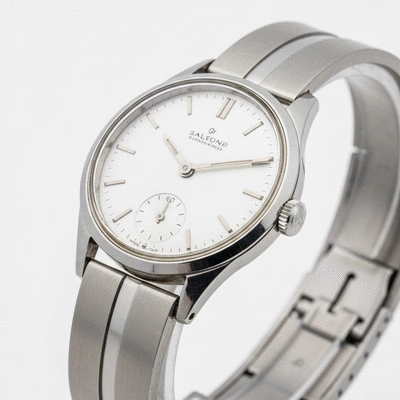
Fast forward to the mid-20th century, where we witness the emergence of modernism in watch design. The 1950s to 1970s introduced sleek lines and minimalistic designs that appealed to a post-war audience seeking practicality. Key elements included:
- Streamlined cases in stainless steel
- Simple dials for improved legibility
- Automatic movements gaining popularity
This era solidified the foundation of what we now consider classic watch styles. It’s no wonder that these designs have remained relevant and are still sought after today! To learn more about how these styles have influenced modern luxury watch brands, you can explore detailed insights on their enduring appeal.
The 1980s Analog Revival: A Return to Classic Mechanics
The 1980s marked a significant shift as the digital era flooded the market. However, a revival of interest in analog watches took place, celebrated for their craftsmanship and mechanical intrigue. Watch enthusiasts began to appreciate the artistry behind traditional timekeeping, leading to:
- A resurgence of Swiss mechanical watches
- Vintage-inspired designs making a comeback
- Collector interest in horological history
This revival not only elevated the status of vintage watches but also laid the groundwork for contemporary collections today. It’s exciting to witness how these timeless pieces continue to captivate new generations!
Iconic Vintage Watch Styles That Define Collecting Today
Now that we've explored the evolution of vintage watches, let’s dive into some of the iconic styles that define today’s collecting landscape. These timepieces have become symbols of craftsmanship and heritage, making them must-haves for both collectors and enthusiasts alike!
We Want to Hear From You!
As we explore the evolution of vintage watches, it’s fascinating to consider how personal style influences our choices. What characteristics do you value most in a vintage timepiece? Is it the craftsmanship, the history, or perhaps the brand reputation? Share your thoughts with us!
Frequently Asked Questions About Vintage Watches
- What defines a "vintage" watch?
- Generally, a vintage watch is considered to be a timepiece that is at least 20 years old, though some collectors might extend this to 30 years or more, focusing on pieces that are no longer in production and represent a specific era or design trend.
- What are the key design characteristics of 1920s Art Deco watches?
- Watches from the 1920s, influenced by the Art Deco movement, are characterized by geometric patterns, bold shapes, luxurious materials like gold and platinum, and often feature intricate enamel work and gemstones.
- How did mid-century watch designs (1950s-1970s) differ from earlier eras?
- Mid-century watch designs emphasized minimalism and practicality with streamlined cases, simple dials for improved legibility, and the growing popularity of automatic movements. This era laid the groundwork for many classic watch styles.
- Why did analog watches experience a revival in the 1980s?
- The 1980s saw a resurgence of interest in analog watches due to an appreciation for their craftsmanship and mechanical intrigue, contrasting with the rise of digital timepieces. Collectors valued the artistry and history behind traditional mechanical watches.
- What makes vintage watches a good investment?
- Many vintage watches appreciate in value over time due to their unique craftsmanship, historical significance, enduring style, and rarity. They offer both aesthetic pleasure and potential financial return for collectors.
- What should I consider when buying my first vintage watch?
- When buying a vintage watch, consider defining your aesthetic preferences (sporty, elegant, quirky), researching various brands and their design philosophies, determining if you need functionality or just style, and setting a clear budget. Engaging with online communities and local shows can also provide valuable guidance.
Summarizing the Iconic Vintage Watch Styles and Their Modern Relevance
As we reflect on the rich tapestry of vintage watch styles, it's clear that these timepieces are more than just instruments for telling time; they embody a timeless nature that resonates with both collectors and casual wearers alike. From the rugged charm of a vintage Rolex Submariner to the elegant lines of a Cartier Tank, each watch tells a story of craftsmanship and cultural significance.
In today’s fast-paced world, where technology often overshadows traditional craftsmanship, vintage watches stand out as symbols of quality and style. Their unique designs often inspire modern interpretations that blend old-world charm with contemporary aesthetics. This enduring appeal makes vintage watches not just relics of the past, but relevant fashion statements that enhance any outfit. As noted by academic sources, the lasting influence of these designs is a testament to their exceptional quality and innovative spirit.
Reflecting on the Timeless Nature of Vintage Watches
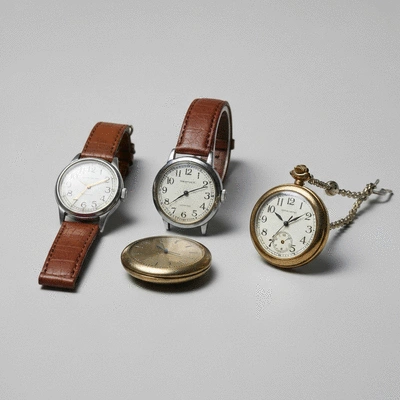
- Craftsmanship: Vintage watches are often handcrafted with attention to detail, showcasing a level of artistry that is increasingly rare today.
- Heritage: Each timepiece carries a story, connecting wearers to the history and legacy of horology.
- Enduring Style: The classic designs of vintage watches transcend fashion trends, making them versatile accessories for any occasion.
- Investment Value: Many vintage watches appreciate over time, offering both beauty and financial value for collectors.
As I dive deeper into the world of horology at Wrist Watches for Men, I find that these characteristics not only enhance a watch's value but also its emotional connection with the wearer. Have you found a vintage piece that speaks to you? The enduring popularity of these watches demonstrates why vintage watches have never gone out of style.
Encouraging Individual Style: Finding Your Perfect Vintage Watch
Finding the right vintage watch can feel like a treasure hunt! Here are some tips to help you discover a piece that truly resonates with your personal style:
- Define Your Aesthetic: Consider whether you lean more toward sporty, elegant, or quirky designs.
- Research Brands: Familiarize yourself with various brands, as each has its own unique history and design philosophy.
- Consider Functionality: Determine if you want a watch that’s purely for style or one that you can wear daily.
- Set a Budget: Vintage watches come in various price ranges, so it’s important to know what you’re willing to invest.
At Wrist Watches for Men, I’m passionate about guiding you through this journey of discovery. Each watch you consider has a character and a story—what will yours be?
Next Steps for Vintage Watch Enthusiasts
Participate in Online Communities and Forums for Collectors
Diving into the world of vintage watches is even more rewarding when you connect with fellow enthusiasts. Online communities and forums provide an excellent platform for sharing experiences, asking questions, and gaining insights.
- Join groups on platforms like Reddit or Facebook where collectors gather.
- Engage in discussions about your favorite watches or brands.
- Seek advice on your next purchase or restoration project.
Sharing your journey in these spaces can enhance your passion for horology and deepen your knowledge.
Explore Local Watch Shows and Auctions for Authentic Finds
Nothing beats the thrill of discovering a vintage watch in person! Attending local watch shows and auctions can be a fantastic way to find authentic pieces. Here’s what to keep in mind:
- Check the schedule of upcoming watch shows in your area.
- Visit auctions that specialize in vintage watches to view unique collections.
- Network with collectors and dealers who share your passion.
These events are not just about buying; they offer a chance to learn and connect with the community.
Understanding the Role of Second-Hand Markets in Vintage Collecting
The second-hand market plays a crucial role in vintage watch collecting. It allows enthusiasts to access a wide range of timepieces without the premium prices often associated with brand-new models. Some tips for navigating this market include:
- Research reputable dealers and platforms that specialize in vintage watches.
- Verify the authenticity of watches through trusted sources.
- Don’t hesitate to ask questions about the watch’s history and condition.
Remember, patience is key in this journey. The right watch is out there waiting for you to discover it! If you have any thoughts on your vintage watch adventures, I’d love to hear them at Wrist Watches for Men!
Recap of Key Points
Here is a quick recap of the important points discussed in the article:
- 1920s Art Deco Influence: Emphasis on geometric patterns, rich materials, and intricate designs.
- Mid-Century Modern Design: Characterized by streamlined cases and simple dials, focusing on functionality.
- 1980s Analog Revival: A resurgence of interest in analog watches highlighting craftsmanship and mechanical intrigue.
- Timeless Craftsmanship: Vintage watches embody artistry, heritage, and enduring style, making them valuable collectibles.
- Finding Your Vintage Watch: Define your aesthetic, research brands, consider functionality, and set a budget to discover the perfect piece.