Evolution of Timekeeping Devices
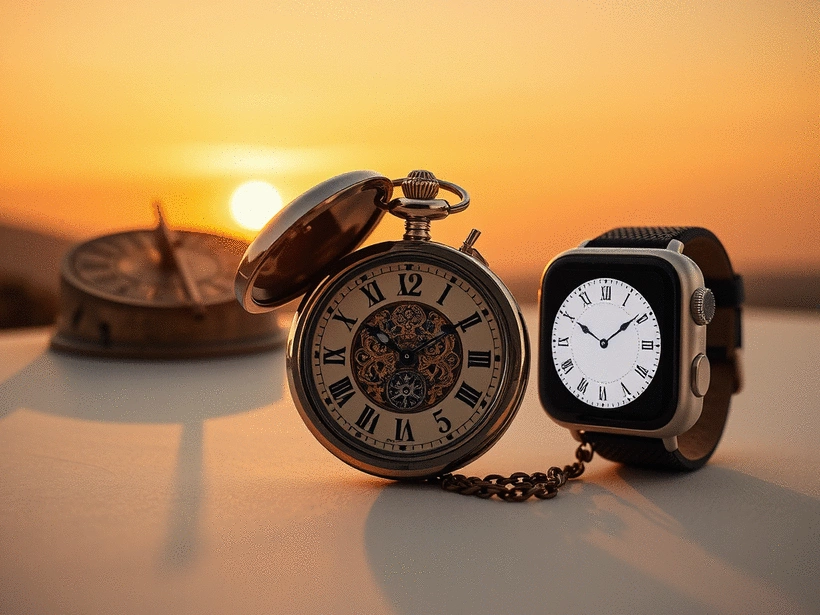
What if your watch could do more than just tell time? The future of horology is bright, driven by innovations that merge tradition with technology. Today, we delve into the significant lessons of timekeeping that every enthusiast should understand.
What You Will Learn
- Horology Defined: It's not just about timepieces; it's a blend of art, history, and technological innovation.
- Craftsmanship Matters: Each watch tells a story, showcasing human ingenuity and cultural heritage.
- AI Integration: Future watches may learn your habits, offering personalized experiences and smart tracking.
- Balancing Tradition and Innovation: Challenges for traditional watchmakers include adapting to modern consumer preferences while preserving craftsmanship.
- GPS and Digital Clocks: These advancements provide precise timekeeping and enhanced functionality, shaping modern horology.
The Future of Horology: Navigating AI and Traditional Craftsmanship
This visual explores the dual impact of AI and traditional challenges on the evolving landscape of timekeeping, highlighting how innovation and heritage converge.
AI Integration in Timekeeping
- ✓ Smart Tracking
- ✓ Enhanced User Experience
- ✓ Predictive Maintenance
Benefits for the future
Traditional Watchmaking: Challenges
- ✗ Preserving Craftsmanship
- ✗ Adapting Market Demand
- ✗ Competition from Tech
Balancing heritage with innovation
Role of Modern Digital Timekeeping
- ● Accurate Timekeeping (GPS)
- ● Multi-functionality
- ● Customization
Redefining perception of time
Opportunities for Innovation
- ★ Hybrid Models Development
- ★ Meeting Diverse Tastes
- ★ Unique Offerings
Embracing analog and digital worlds
The Journey of Timekeeping: An Overview of Horology
Welcome to the fascinating world of horology! As a passionate horologist myself, I’ve often found that understanding the journey of timekeeping is like unraveling a rich tapestry of history, craftsmanship, and innovation. In this section, we'll explore the definition and significance of horology, as well as why studying this art matters today.
Understanding Horology: Definition and Significance
Horology is the study and measurement of time—an art that encompasses everything from the creation of timepieces to the intricacies of timekeeping mechanisms. It’s not just about watches and clocks; it’s about understanding the meticulous craftsmanship behind each piece. The significance of horology goes beyond telling time; it reflects cultural advancements and technological innovations throughout history. For a broad historical overview, Wikipedia's history of timekeeping devices provides a comprehensive look at the evolution of this field.
- Craftsmanship: Each watch or clock is a testament to human ingenuity.
- History: Every timepiece tells a story, linking us to past generations.
- Innovation: The field is continuously evolving, embracing new technologies.
For enthusiasts like us at Wrist Watches for Men, horology isn’t merely a hobby; it’s a passion that connects us to the legacy of timekeeping. It allows us to appreciate the artistry involved in making each timepiece unique.
The Fascination with Time: Why Study Horology Matters
Studying horology offers insights into the human experience. Time is a constant in our lives, and understanding how we’ve measured it can deepen our appreciation for the present moment. This journey into horology allows us to reflect on how timekeeping impacts our daily lives and our interactions with the world around us. To delve deeper into the historical and societal impact of timekeeping, Clemson University offers an insightful brief history of its evolution.
- Cultural Significance: Different cultures have unique approaches to timekeeping.
- Personal Connection: A watch can symbolize milestones and cherished memories.
- Investing in Art: Collecting watches blends both passion and potential financial gain.
As I share my insights about watches, I hope to empower others to find their perfect timepiece that not only aligns with their style but also resonates with their personal stories. Every timepiece has a journey, and I encourage you to discover the one that tells yours!
Ancient Time Measurement Techniques: Sundials and Beyond
Now that we've explored the essence of horology, let's travel back in time to discover how ancient civilizations measured time. From sundials to water clocks, these early inventions laid the groundwork for our modern understanding of timekeeping.
We Want to Hear From You!
As we delve deeper into the fascinating world of horology, we want to know your thoughts! Which aspect of timekeeping captivates you the most?
Looking Ahead: The Future of Horology in a Digital Age
The world of horology is evolving at an unprecedented pace, driven by technological advancements and shifting consumer preferences. At Wrist Watches for Men, we’re excited to explore what the future holds for timekeeping. As we embrace these changes, it’s crucial to understand how innovations like artificial intelligence are set to redefine our relationship with timepieces.
The integration of AI in timekeeping could revolutionize how we interact with watches. Imagine a future where your watch not only tells time but also learns your habits, adjusts settings automatically, and even provides personalized reminders. Isn’t that a fascinating prospect? Let’s dive deeper into what’s on the horizon for horology! For a deeper understanding of the impact of technology on various fields, including timekeeping, a Wiley Online Library publication offers peer-reviewed insights into the convergence of tradition and innovation.
The Integration of AI in Timekeeping: What's on the Horizon?
Artificial intelligence is making waves across various industries, and horology is no exception. Here are some potential benefits of incorporating AI into timekeeping:
- Smart Tracking: Watches that adapt to your lifestyle by tracking health metrics and providing insights.
- Enhanced User Experience: AI can enable voice commands and personalized notifications, making watches more user-friendly.
- Predictive Maintenance: Watches could alert users about needed servicing, ensuring longevity and optimal performance.
As we consider these advancements, it’s clear that the future of timepieces will be more intuitive and connected than ever before. What do you think about these possibilities? I find it exciting to think about how our watches may soon become an even more integral part of our daily lives!
Challenges and Opportunities for Traditional Watchmaking
While the digital age brings exciting prospects, it also presents challenges for traditional watchmakers. Balancing heritage with innovation is essential for brands that have long thrived on craftsmanship. Here are some key challenges:
- Preserving Craftsmanship: Maintaining the artistry of traditional watchmaking in an era dominated by mass production.
- Market Demand: Adjusting to shifting consumer preferences for smart technology over classic designs.
- Competition: Competing with tech companies venturing into the watch market.
However, these challenges also open doors for innovation. Many brands are now exploring hybrid models, combining traditional craftsmanship with smart technology. As a watch enthusiast, I believe this blend could create unique offerings that cater to various tastes and needs.
The Role of GPS Watches and Digital Clocks in Modern Timekeeping
GPS watches and digital clocks are redefining how we perceive timekeeping. These devices offer precise time measurement and a multitude of features that appeal to a wide audience. Here’s how they’re influencing modern horology:
- Accurate Timekeeping: GPS technology ensures precise time, regardless of location, which is invaluable for travelers.
- Multi-functionality: Many digital watches now include fitness tracking, navigation, and smart alerts, making them versatile companions.
- Customization: Users can personalize settings and watch faces according to their preferences, enhancing the user experience.
This evolution in timekeeping devices illustrates that while we cherish traditional watches, there is room for growth and adaptation. Embracing both worlds—analog and digital—can result in a rich landscape for enthusiasts and collectors alike!
Frequently Asked Questions (FAQs)
- What is horology?
- Horology is the study and measurement of time, encompassing the art and science of creating timepieces and understanding their mechanisms. It blends history, craftsmanship, and technological innovation.
- How is AI integrated into timekeeping?
- AI integration in timekeeping involves features like smart tracking of health metrics, enhanced user experiences through voice commands and personalized notifications, and predictive maintenance to ensure watch longevity.
- What challenges do traditional watchmakers face?
- Traditional watchmakers face challenges such as preserving craftsmanship amidst mass production, adapting to consumer demand for smart technology, and competing with tech companies entering the watch market.
- What are the benefits of GPS watches and digital clocks?
- GPS watches and digital clocks offer accurate timekeeping regardless of location, multi-functionality (e.g., fitness tracking, navigation), and customization options for users to personalize their devices.
- Why is studying horology important?
- Studying horology offers insights into human history and cultural advancements, deepens appreciation for craftsmanship, allows for personal connections with timepieces, and can be a passion for collecting fine art.
Recap of Key Points
Here is a quick recap of the important points discussed in the article:
- Understanding Horology: It encompasses the study and craftsmanship of timepieces, reflecting cultural advancements and technological innovations.
- Significance of Timekeeping: Different cultures approach timekeeping uniquely, and watches often symbolize personal milestones.
- The Future of Horology: Innovations like AI in timekeeping could enhance user experience through smart tracking and predictive maintenance.
- Challenges for Traditional Watchmaking: Balancing heritage with innovation is crucial as consumer preferences shift towards smart technology.
- Modern Timekeeping Devices: GPS watches and digital clocks offer accurate time measurement and multifunctionality, appealing to a diverse audience.