Key Tools for Watchmaking Beginners
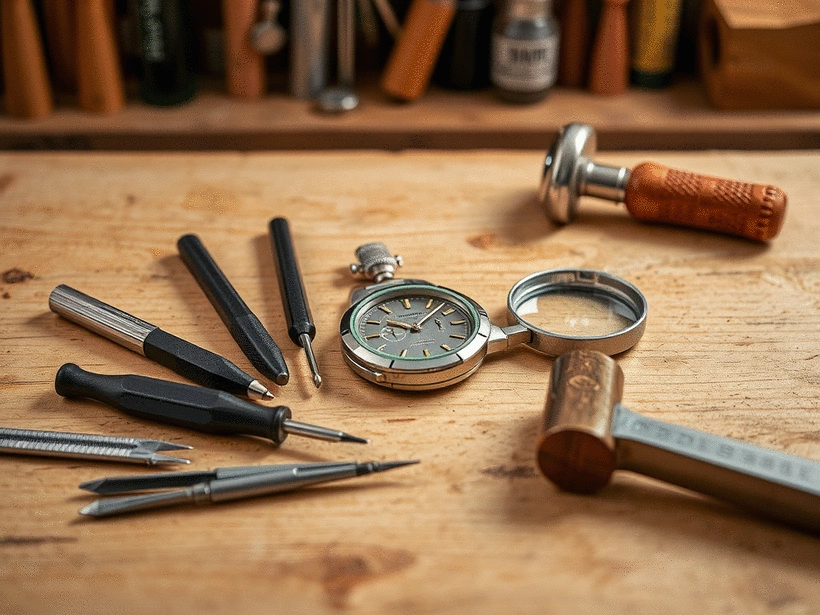
Are you ready to unravel the art of watchmaking? As you dip into this intricate craft, having the right tools at your disposal can be the difference between frustration and satisfaction. Each tool is a stepping stone on your horological journey, guiding you toward mastery and enjoyment.
What You Will Learn
- Understanding horology, the art and science of measuring time, is essential for aspiring watchmakers.
- Using quality watchmaking tools enhances precision, efficiency, and the overall quality of your work.
- Key considerations such as budget, project focus, and personal goals should guide your watchmaking journey.
- Familiarizing yourself with essential watchmaking terminology will improve your understanding and communication skills within the craft.
- Investing in fundamental tools like precision tweezers, screwdrivers, and loupes is crucial for successful watch assembly and maintenance.
- Engaging with the watchmaking community can provide valuable support, insights, and inspiration as you develop your skills.
Essential Watchmaking Tools Overview
This visual summarizes the key tools every aspiring watchmaker needs and highlights important considerations for starting their horology journey.
What is Horology?
The art and science of measuring time. Requires precision, patience, and the right tools for creating, repairing, and maintaining timepieces.
Key Considerations for Beginners
- Budget for tools and resources
- Project focus (build, restore, learn)
- Personal goals (short & long-term)
*Helps set realistic expectations.
Essential Tools Summary
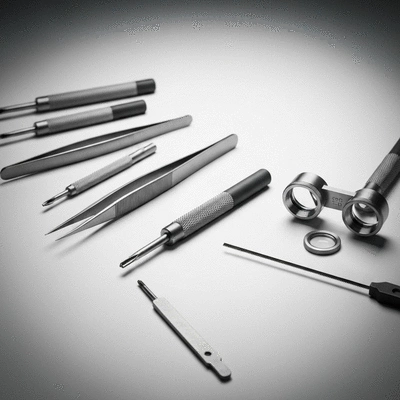
- Precision Tweezers
- Screwdrivers (various sizes)
- Loupe (magnification)
- Spring Bar Tools
- Case Openers
Understanding the Essentials of Watchmaking Tools for Beginners
Welcome to the fascinating world of horology! Horology is the art and science of measuring time, and it's a craft that requires precision and care. For beginners, using the right watchmaking tools is crucial. They help you create, repair, and maintain wristwatches with confidence. Each tool has a specific purpose, and understanding this will lay a solid foundation for your journey into watchmaking.
Without the proper tools, your watchmaking experience can be frustrating, leading to mistakes that could discourage you. So, let's dive into what tools you'll need and how they play a vital role in your horology adventure!
What Is Horology and Why Are Tools Important?
Horology encompasses everything from the design and manufacture of watches to the intricate mechanics behind them. Mastering this craft involves not only knowledge but also the right tools to bring your ideas to life. Using quality tools can enhance your skill and make the process enjoyable.
- Precision: Accurate tools help ensure that your adjustments are spot on. Research from institutions like EPFL's LSAR lab highlights the importance of human dexterity and precision in intricate tasks like watchmaking.
- Efficiency: The right tools save time and effort, allowing you to focus on learning.
- Quality: Well-made tools improve the overall quality of your work.
Investing in good tools from the start can significantly impact your learning curve and the quality of your watchmaking projects. What tools are essential for getting started? Let’s explore!
Identifying Your Watchmaking Journey: Key Considerations
Before diving into watchmaking, it's important to consider a few key factors that will shape your experience. Reflecting on these will help you set realistic goals and expectations as you embark on this exciting journey.
- Budget: Determine how much you're willing to invest in tools and resources.
- Project Focus: Decide if you're interested in building, restoring, or simply learning about watches.
- Personal Goals: Set short-term and long-term goals for your watchmaking journey.
By understanding these elements, you can create a focused plan that aligns with your interests and budget. Remember, every watchmaker starts somewhere, so take your time to explore and enjoy the process!
Key Watchmaking Terms You Should Know
As you begin your horology journey, familiarizing yourself with watchmaking terminology can help you understand the craft better. Here are some essential terms that every beginner should know:
- Movement: The mechanism that powers the watch and keeps time.
- Caliber: The specific model of a watch movement, often denoted by a number.
- Timepiece: A general term for any device that tells time, typically referring to wristwatches.
Grasping these terms will not only aid your learning but will also enhance your communication with fellow watchmakers and enthusiasts. So, take a moment to memorize them—they’ll become second nature as you dive deeper into the craft!
Pro Tip
When starting your watchmaking journey, consider investing in a quality watchmaking toolkit that includes all the essential tools. This ensures you have everything you need at your fingertips, reducing frustration and enhancing your learning experience. Look for sets that come with a variety of screwdrivers, tweezers, and case openers, as these are fundamental for any project!
Frequently Asked Questions About Watchmaking for Beginners
- What is horology?
- Horology is the art and science of measuring time, encompassing the design, manufacture, and repair of timepieces.
- Why are quality tools important for aspiring watchmakers?
- Quality tools enhance precision, efficiency, and the overall quality of your work, making the learning process more enjoyable and effective.
- What are the key considerations for someone starting in watchmaking?
- Beginners should consider their budget for tools, their project focus (e.g., building, restoring, or learning), and their personal short-term and long-term goals.
- What are some essential tools for beginners?
- Essential tools include precision tweezers, a set of various-sized screwdrivers, a loupe for magnification, spring bar tools, and case openers. More detailed recommendations can be found on resources like Watch Repair Tutorials.
- What is a watch 'movement'?
- The movement is the internal mechanism that powers the watch and keeps time. Understanding its components is crucial for any repair or assembly.
- How can joining a watchmaking community help me?
- Engaging with horology forums and online communities provides valuable support, allows you to share experiences, ask questions, and learn from other enthusiasts, fostering your growth and passion. For example, Nob's Watchmaker blog offers various tips and insights from experienced watchmakers.
Recap and Next Steps for Aspiring Watchmakers
As we wrap up our exploration of watchmaking tools for beginners, it’s essential to recognize the key items that lay the foundation for your journey in horology. Throughout this guide, we've highlighted essential tools like precision tweezers, screwdrivers, and case openers that are vital for every aspiring watchmaker. Each of these tools plays a unique role in the assembly and maintenance of timepieces, empowering you to craft with confidence.
Summary of Essential Tools and Resources
To summarize, here are the essential tools every beginner should consider:
- Precision Tweezers: Perfect for handling small components without damaging them.
- Screwdrivers: A must-have for assembling and disassembling watch cases.
- Loupe: Provides magnification to see intricate details.
- Spring Bar Tools: Essential for adjusting and removing watch bands.
- Case Openers: Allows easy access to watch interiors for repairs.
These tools not only facilitate the watchmaking process but also enhance your appreciation for the craftsmanship involved. By investing in quality tools from reputable brands, you’re setting yourself up for success in this rewarding hobby.
Call to Action: Start Your Horology Journey Today!
Are you ready to dive into the world of horology? I encourage you to explore recommended toolkits such as the Knight/Cabot from Rotate, which I find particularly user-friendly for beginners. You can find great options on our website, Wrist Watches for Men. These kits are designed to provide everything you need to start your watchmaking journey without feeling overwhelmed.
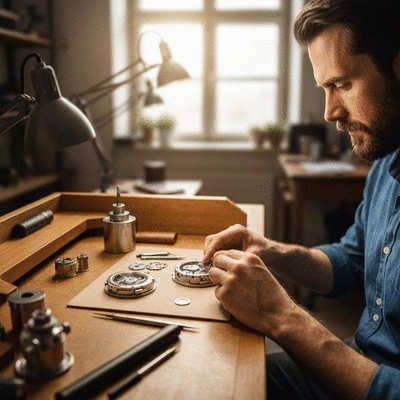
Take the plunge! Start crafting your first timepiece and experience the joy of bringing your vision to life. Don’t forget to check out our links for beginner kits and additional tools that can help elevate your skills.
Join the Watchmaking Community for Ongoing Support
Don’t navigate this journey alone! I invite you to join horology forums and online communities where you can connect with fellow watch enthusiasts. These platforms provide a space to share experiences, ask questions, and learn from one another. Engaging with others in the watchmaking community can be incredibly enriching, as you’ll gain insights that can enhance your skills and passion.
Whether you’re sharing your progress or seeking advice, the support from like-minded individuals will undoubtedly inspire you to keep pushing forward!
Exploring Watchmaking History and Future Trends
The world of watchmaking is steeped in rich history and evolving trends that every aspiring watchmaker should be aware of. From the intricate craftsmanship of vintage timepieces to the rise of smartwatches, understanding these changes can inform your approach and design choices.
As you embark on your watchmaking adventure, consider exploring various styles and innovations that reflect both tradition and modernity. Keep an eye on emerging trends in horology, such as sustainable materials and new technologies, which can open up exciting avenues for your creativity!
Recap of Key Points
Here is a quick recap of the important points discussed in the article:
- Invest in Quality Tools: Start with precision tweezers, screwdrivers, and case openers to enhance your watchmaking experience.
- Understand Your Goals: Reflect on your budget, project focus, and personal goals to create a tailored watchmaking plan.
- Familiarize with Key Terms: Learn essential watchmaking terminology like movement, caliber, and timepiece to improve your understanding of the craft.
- Join the Community: Engage with horology forums and online communities for support, advice, and shared experiences.
- Explore Trends: Stay informed about the history and future trends in watchmaking to inspire your designs and projects.